The Quiet Calculation: Managing Ownership on the Island
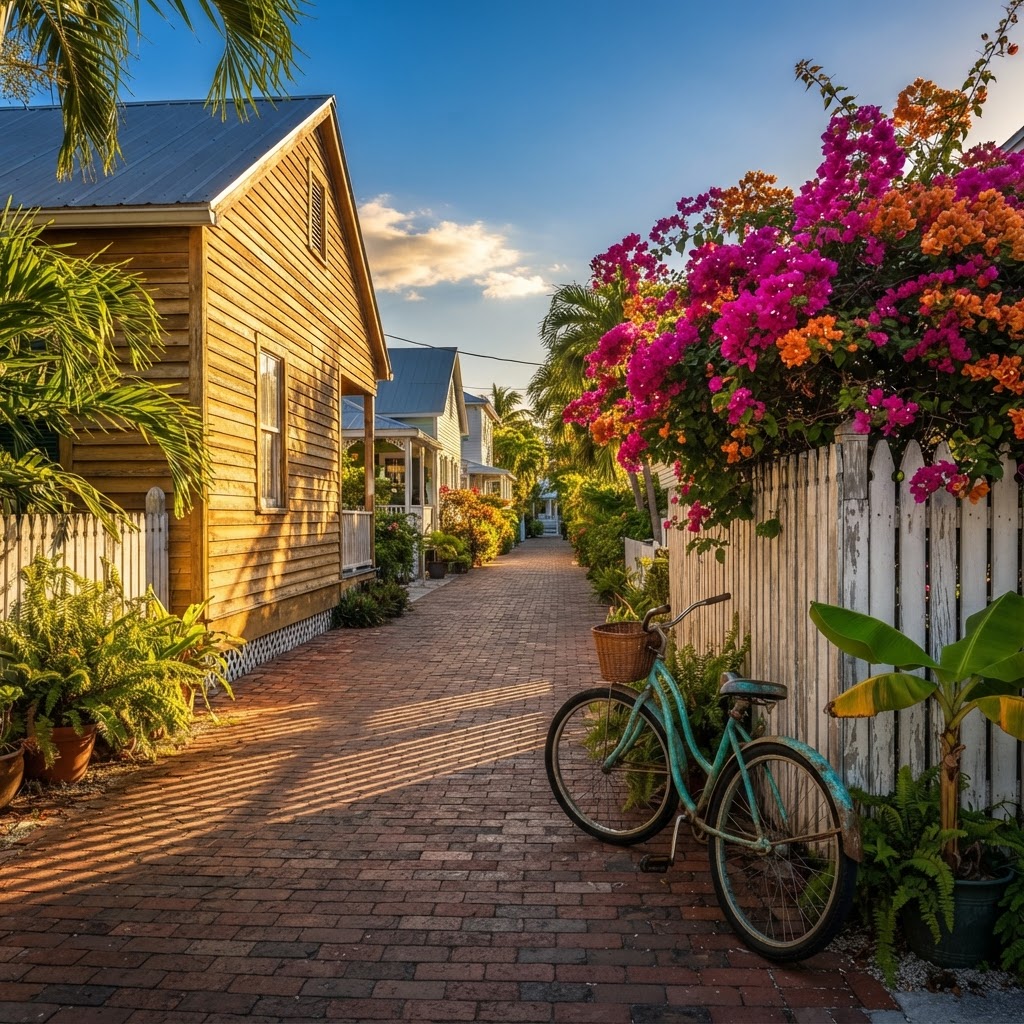
The light hits the street differently at four in the afternoon. It catches the weathered cypress siding of an eyebrow house on Olivia Street, turning the grey wood a soft, honeyed gold. If you stand still long enough, you can hear the faint hum of a blender from a back porch and the rhythmic clatter of a bicycle chain passing by on the brick. This is the cadence of Key West, a place that rewards patience and a certain kind of temperament. When people talk to me about buying property here, they often bring up the complexities of the market—the logistics, the weather, the insurance. But the most successful buyers I have worked with over the years see these things differently. They see them as variables in a long-term equation, rather than obstacles to a deal.
The Dominance of the Cash Buyer
Key West has never been a market for the faint of heart or the heavily leveraged. When you walk through a neighborhood like The Meadows or wander past the lush gardens of a tucked-away property on Elizabeth Street, you are looking at a landscape built almost entirely on liquidity. Cash transactions remain the standard here because they allow for a kind of agility that mortgage-dependent buyers simply cannot replicate. When a seller sees a clean, cash offer, they aren't just looking at the number. They are looking at the certainty of the closing. For the buyer, paying cash removes the heavy hand of institutional requirements, which is a massive advantage when navigating the idiosyncratic nature of our local inventory. It is a cleaner way to trade, and it aligns with the island’s preference for self-sufficiency.
Rethinking Risk as Strategy
One of the most interesting shifts I have observed in the last decade is how seasoned buyers approach the topic of insurance. In a traditional market, insurance is a box to be checked, a non-negotiable expense dictated by an outside agency. Down here, particularly for those who have built a portfolio or are investing in historic structures, it is becoming a strategic decision. Self-insurance is no longer a fringe concept. Instead, it is a deliberate, risk-management choice. For a buyer who owns a well-maintained property with a solid tin roof, high impact-resistant Bahamian shutters, and the structural integrity that only decades of care can provide, the math often changes. They choose to allocate the capital they would otherwise spend on premiums into a dedicated maintenance fund. They become their own underwriters. It is a move that favors the owner who is truly connected to their asset, someone who walks their own property and understands where the drainage needs clearing or which branch of the royal poinciana is threatening a gutter.
Stewardship Over Mere Ownership
There is a profound difference between owning a property and being its steward. When you own a conch house, you are essentially the keeper of a local artifact. These structures have survived because they are designed to breathe; they utilize cross-ventilation and elevated foundations that predate modern engineering. Choosing to manage your own risk means you are incentivized to maintain that property to a higher standard. It forces a more intimate relationship with the home. You stop viewing maintenance as a chore and start viewing it as an investment in the home’s resilience. This shift in mindset transforms the buyer from a passive participant into an active contributor to the neighborhood. When your neighbor sees you taking care of your exterior paint and shoring up your shutters, they see a partner in the ongoing preservation of our shared streetscape.
The Long View
Ultimately, Key West is not a place for the short-term flip. The people who find the most peace and the best returns are those who intend to stay. They understand that the occasional storm or the humidity that wants to reclaim every surface is just part of the price of admission to a place this beautiful. By utilizing cash to acquire and adopting a self-reliant approach to risk, these owners find a strange, quiet freedom. They aren't tethered to the volatility of external markets or the rigid mandates of distant corporate policies. They are simply living in their own house, on their own terms, under a sky that reminds us every sunset why we chose to be here in the first place. That is the true value of property on this island. It isn't just about the square footage. It is about the autonomy to build a life in a place that feels like it was meant for you.
Written by
Damian Vantriglia
Realtor® · Key West