The Northern Migration and Our Island's Quiet Gravity
A Benchmark in the North
The Miami Herald recently reported a significant transaction that has caught the attention of observers across the state: a penthouse in the Brickell district has traded hands for $47 million. This sale, involving a family relocating from New York, sets a new mark for high-end condominium pricing in South Florida for 2026. It serves as a clear, albeit extreme, confirmation of what many of us have watched unfold over the last decade. The steady movement of capital and families from the Northeast to Florida shows no signs of waning, and these record-setting figures are the natural, if startling, punctuation marks on that trend.
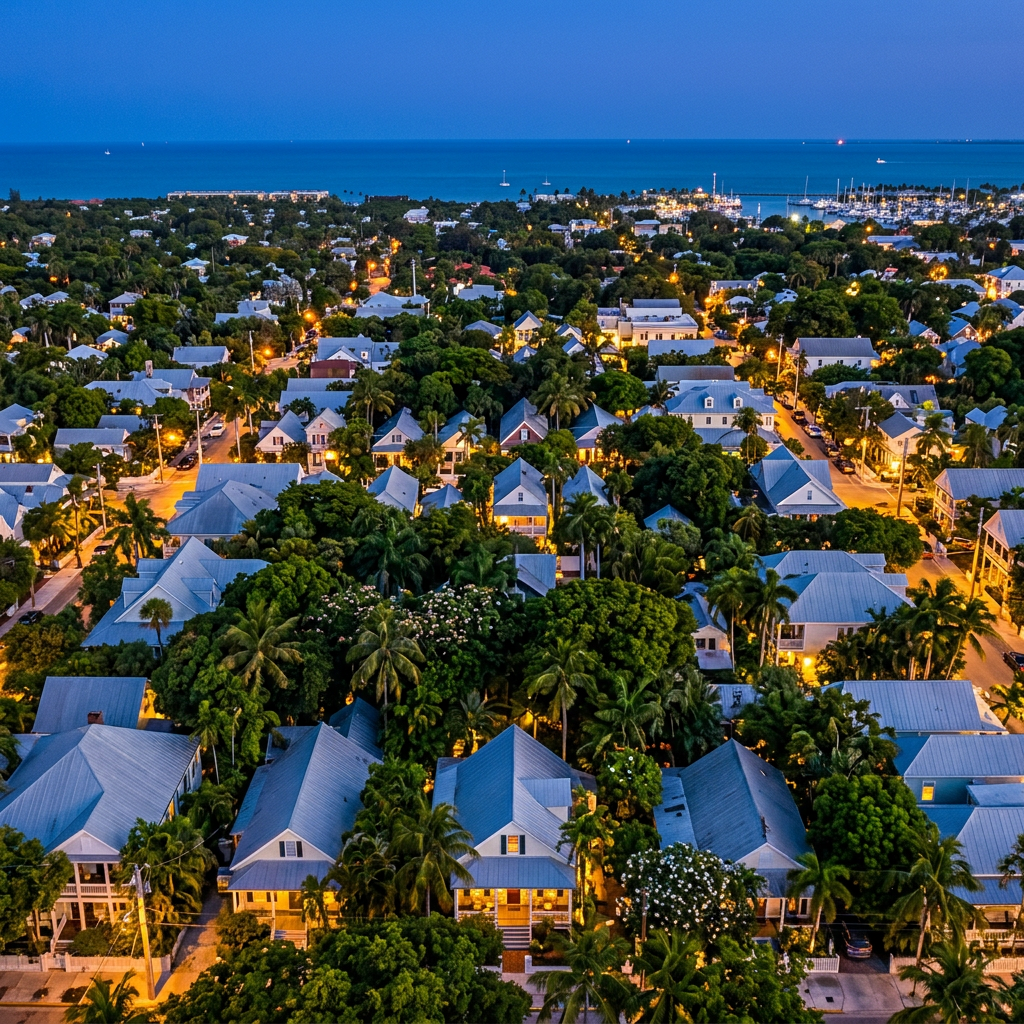
When we look at numbers like $47 million, it is easy to get caught up in the sheer scale of the investment. Yet, for those of us who spend our days walking the shaded lanes of Old Town or admiring the structural integrity of a century-old Dade County pine frame, the story isn't just about the dollar amount. It is about what these buyers are ultimately looking for: a permanent shift toward a Florida identity, and an attempt to secure a foothold in a market that feels increasingly finite.
The Gravity of the Island
I find myself thinking about how these headlines filter down to our own streets. Key West is a different proposition than a glass-walled penthouse high above the city streets of Miami. We offer something that cannot be manufactured or scaled: a profound, lived-in sense of place. When a family chooses to leave the frenetic energy of a major metropolitan center, they are often trading reach for depth. They are trading the convenience of a serviced high-rise for the character of a garden tucked behind Bahamian shutters and the quiet rhythm of a neighborhood where you know the person sweeping their front porch three doors down.
This is why I remain so optimistic about the long-term value of our island estate. The more crowded and uniform the world becomes elsewhere, the more our specific, authentic vernacular stands out. An eyebrow house with original cedar siding or a cottage framed in reclaimed timber carries a story that no developer can replicate. The elite who have the resources to purchase the most sought-after assets in the world are eventually drawn to the places that possess an soul of their own. Key West does not just have a price tag; it has a personality.
Managing the New Reality
There is a maturity required to operate in this current climate. Whether we are discussing the complexities of self-insurance—a path chosen by many of our more experienced buyers to maintain autonomy over their assets—or simply navigating the reality of limited inventory, the strategy remains the same: focus on the quality of the structure and the endurance of the location. We see more cash transactions here than in almost any other market, which provides a level of stability that is refreshing in an otherwise volatile global economy.
I often tell those who inquire about our local market that they are not just buying a property; they are becoming part of a continuous history. The people who built these homes—the master carpenters who worked with cypress and yellow pine, the families who planted the royal poincianas that now shade our streets—left us something durable. It is our job to steward it. When I see prices rising in Miami, I don't see it as pressure to change who we are. I see it as a validation of the peace and privacy we have cultivated here all along.
There is no rush to join the fray. The sunset from the pier, the sound of the street performers near the harbor, and the quiet dignity of a well-maintained garden on a Tuesday afternoon—these are the things that define our wealth. The market will always be in flux, but the quality of life on this island remains as steady as the tide.
Written by
Damian Vantriglia
Realtor® · Key West