The Hidden Costs and Rewards of Owning Property in Key West
The Full Picture
If you are buying property in Key West for the first time, the purchase price is the beginning of the conversation, not the end of it. Carrying costs here are different from what most mainland buyers expect, and understanding them before you buy is the difference between a property that feels like a burden and one that feels like a privilege.
The costs are real, and I am going to detail them honestly. But they are manageable. Experienced owners here handle them routinely, and the rewards of owning a piece of this island — financial and otherwise — have consistently outweighed them for those who understand what they are getting into.
Insurance
Wind and Hurricane
Insurance is the cost that surprises most buyers. A property that costs $2,000 to insure in the Midwest can cost $8,000 to $15,000 or more annually in Key West. The primary driver is wind coverage. The island sits in a high-risk hurricane zone, and wind premiums reflect that reality.
What you can do about it: the wind mitigation inspection. This documents features like roof shape, roof-to-wall connections, and opening protection. A well-mitigated house can cost meaningfully less to insure than an unmitigated one. When evaluating properties, ask about wind mitigation features. A house with impact windows and a hip roof is a different insurance proposition than one with old windows and a gable roof.
Flood
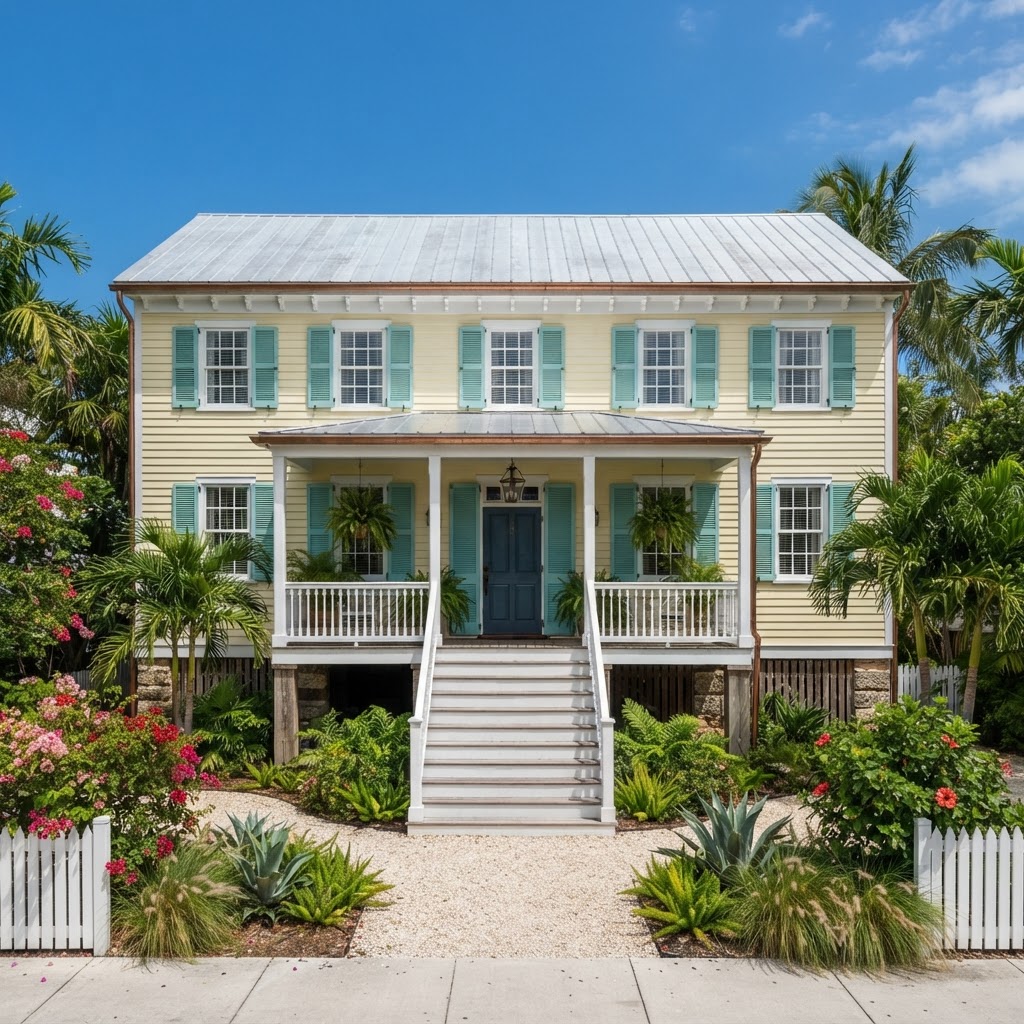
Most of Key West lies within FEMA-designated flood zones, and flood insurance is required for mortgaged properties. The premium depends on the flood zone, the elevation of the living floor, and the construction. Historic Conch houses raised on piers can be advantageous here, because the living floor is already elevated.
The Strategy
Get real insurance quotes before you close, not estimates. Work with a Key West insurance agent who understands the local market. Factor the actual premium into your carrying cost calculation. And when comparing properties, compare their insurance profiles — a cheaper house with poor mitigation can cost more to carry than a more expensive house that is well-mitigated.
Flood and Elevation
Beyond insurance, flooding is a practical reality. Key West is low — the highest natural point is 18 feet above sea level. King tides and heavy rain events can cause street flooding, particularly in low-lying areas. Most experienced owners understand this and manage it: they know which streets tend to flood, they avoid parking in vulnerable spots during king tides, and they ensure that their property's drainage and elevation are adequate.
When evaluating a property, ask about its elevation relative to the street and the base flood elevation. Ask whether it has experienced flooding. Understand the drainage. These are not deal-breakers — they are factors to understand and manage.
Wind and Hurricanes
Owning property in a hurricane zone requires preparation, and experienced Key West owners have a routine. Storm shutters or impact windows are essential. A plan for securing the property before a storm is standard. Most owners have a relationship with a property manager or a neighbor who can implement the plan if they are off-island.
Hurricane preparation is not a reason to avoid buying in Key West. It is a reason to buy a property that is well-built, well-mitigated, and manageable from a distance if you are a second-home owner.
Maintenance and Humidity
The Tropical Climate
Key West's climate is tropical — hot, humid, and salty. This affects maintenance in ways that mainland buyers may not anticipate. Paint cycles are shorter; expect to repaint every five to seven years. Wood trim and porches need regular attention. Humidity management is constant; good ventilation, functioning air conditioning, and moisture control are part of daily life.
Salt Air
If your property is near the water — and much of Key West is near the water — salt air accelerates corrosion on metal components, from hinges to air conditioning units to outdoor fixtures. Experienced owners choose materials accordingly: stainless steel, marine-grade hardware, corrosion-resistant finishes.
Termites
Key West has active termite pressure year-round. Every property here has some relationship with termite treatment — ongoing bonds, regular inspections, preventive measures. This is a basic cost of ownership, not a crisis. Annual termite protection typically runs a few hundred dollars, and it is non-negotiable. The properties that suffer damage are the ones where prevention lapsed.
Vacation Rentals and Licensing
If you are buying with the intention of operating a short-term vacation rental, understand the licensing landscape. Transient rentals (fewer than 28 days) require a license, and the number of licenses is capped. The city allocates new licenses through a lottery and waiting list system, and a license is not guaranteed.
This affects investment calculations significantly. A property with an active transient license has an income advantage that is reflected in its value. A property without one may still be a good investment — long-term rentals are viable, and some owners use the property personally — but the income profile is different. Understand the license status before you buy.
The Rewards
Now the other side of the ledger. Key West real estate has demonstrated strong long-term appreciation, driven by the permanent supply constraints that define this market. Owners who have held properties for ten, twenty, or thirty years have watched values appreciate at rates that outpace most mainland markets.
Beyond appreciation, there is the lifestyle. A home in Key West is a base for the life the island offers — the water, the community, the culture, the climate. For second-home owners, it is a place that feels like home from the moment you cross the last bridge. For permanent residents, it is a town where you know your neighbors and your neighborhood has a history.
The costs I have described are the price of admission. They are manageable, they are predictable, and they are far outweighed by what you get in return. The owners who struggle are the ones who did not understand the costs before they bought. The owners who thrive are the ones who walked in with clear eyes.
Frequently Asked Questions
How much is insurance on a Key West home?
Annual premiums commonly range from $6,000 to $15,000 or more, depending on wind mitigation, flood zone, roof condition, and coverage. Obtain an actual quote before purchase.
Does Key West flood?
Parts of Key West can experience street flooding during king tides and heavy rain. Most properties are manageable, but understanding elevation, drainage, and flood history is essential before buying.
Do I need hurricane shutters?
Yes. Opening protection — either shutters or impact glass — is essential for both safety and insurance. Most owners have a storm preparation plan, particularly second-home owners.
How often do I need to repaint in Key West?
Expect to repaint every five to seven years, depending on sun exposure and paint quality. The tropical climate accelerates wear on exterior surfaces.
Are termites a problem in Key West?
Termite pressure is active year-round. Every property should have ongoing termite protection — typically an annual bond with a pest control service.
Can I operate a vacation rental on my property?
Short-term rentals (under 28 days) require a transient license, which is capped and allocated through a lottery system. Verify license status before purchasing for investment purposes.
Damian Vantriglia is a born-and-raised Key West REALTOR® with Berkshire Hathaway HomeServices Keys Real Estate. Schedule a consultation to discuss your Key West property search.
Written by
Damian Vantriglia
Realtor® · Key West