The Long Afternoon: Tennessee Williams and the Rhythm of Key West
The Gentle Pace of an Island Habit
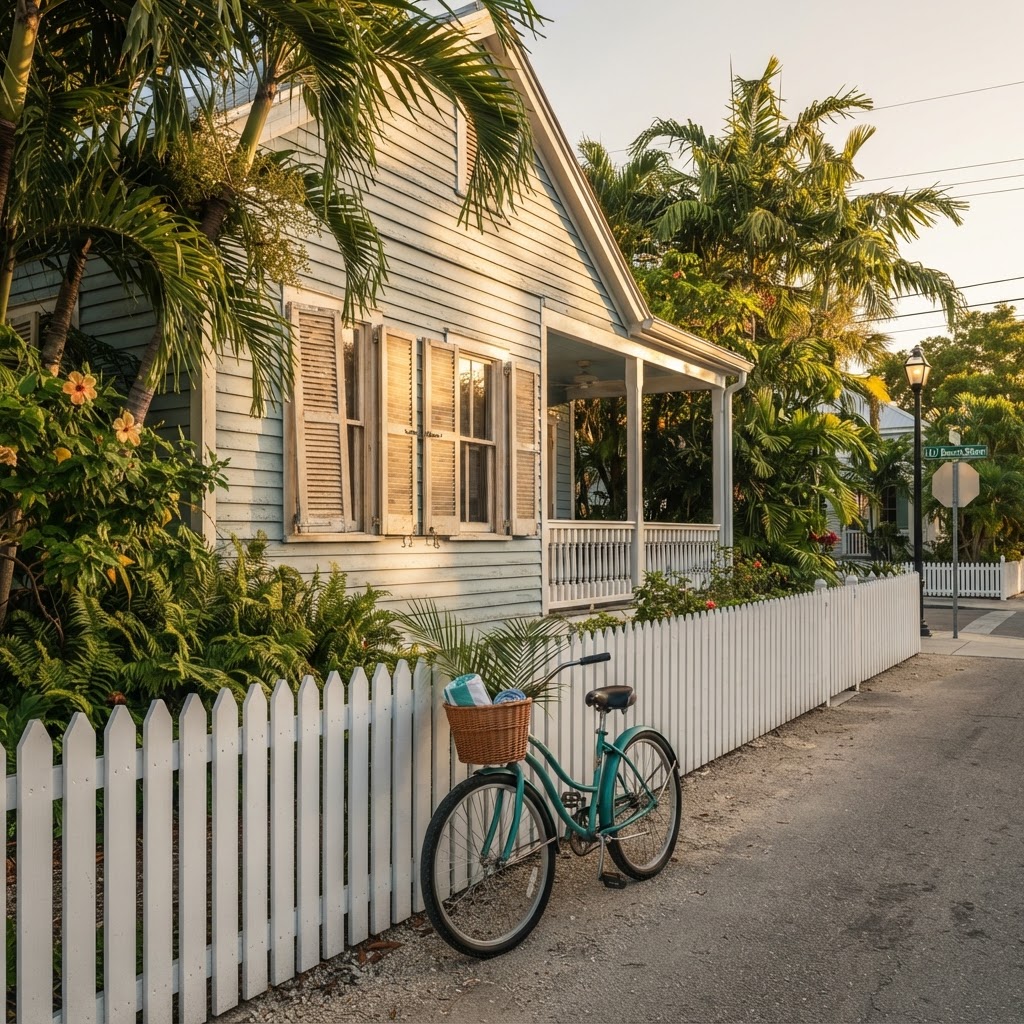
There is a certain way the light hits the street level on Duncan Street in the late afternoon. It is a soft, amber quality that seems to stall time, making the afternoon feel longer and more deliberate than anywhere else. It is not difficult to understand why Tennessee Williams was drawn here. He was not looking for the frantic energy of a city or the pretense of a summer retreat. He was looking for a place where the humidity and the heat provided a legitimate excuse to slow down, to sit, and to observe. When he arrived in the 1940s, Key West was not the polished destination it is today. It was a rugged, salt-worn outpost, and that suited him perfectly.
He eventually settled into a modest house at 1431 Duncan Street. It was not a sprawling estate, but it possessed the essential vernacular bones of the island: Dade County pine, high ceilings for air circulation, and a sense of enclosure that allowed for deep concentration. He famously remarked that he could write anywhere, but he could only work here. There is a distinction in that. Writing is a craft, but working—the act of wrestling a narrative from the air—requires an environment that does not compete for your attention. The island offered him the solitude he needed to complete 'A Streetcar Named Desire' and 'The Rose Tattoo'.
The Architecture of Creative Solitude
When I walk past the properties built in that era, I am often struck by how little has changed in terms of the fundamental relationship between the house and the environment. We talk a lot about 'indoor-outdoor' living now, but for the writers and artists of the mid-century, it was simply survival. You had to catch the breeze. You had to manage the sun. The Bahamian shutters were not decorative elements then; they were functional tools to modulate the heat. The porches, or 'verandas' as they were often called in local parlance, served as the primary living room. It was where you greeted a neighbor without leaving your property, and where you watched the tropical rain squalls roll in across the banyan trees.
Williams understood this deeply. He found in these rooms a kind of theatrical stage. His writing was always obsessed with atmosphere, and the atmosphere here—the smell of jasmine, the sound of the wind in the palm fronds, the persistent decay and rebirth of the tropical landscape—is woven into the dialogue of his plays. When you own a piece of history like this, you aren't just holding a deed. You are acting as a steward for a specific kind of quietude that has defined the character of Old Town for nearly a century.
The Lingering Presence
It is a rare thing to walk through a neighborhood and feel the ghosts of genuine work being done. Today, the island has changed, of course. The streets are quieter in some ways and busier in others. But the rhythm remains the same if you know how to tap into it. You find it on a Tuesday morning at a local coffee window, or in the way a neighbor pauses to talk about the recent bloom on a royal poinciana. It is a culture that prioritizes the experience of living over the consumption of it.
For those who seek to make their home here, the appeal remains constant. We are not a place for the hurried. We are a place for the long afternoon. Whether you are looking at a cottage framed in cypress or a restored classic built with the sturdy grain of old-growth yellow pine, the value is in the context. You are buying into a narrative that started long before we arrived and will continue long after we are gone. We are simply the current tenants of a very special, very bright, and very resilient patch of earth. Tennessee Williams spent his most productive years here because the island gave him the space to be himself, without judgment or the need for performative success. That is the greatest luxury the island provides, and it is a gift that is still available to anyone who decides to stay.
Written by
Damian Vantriglia
Realtor® · Key West