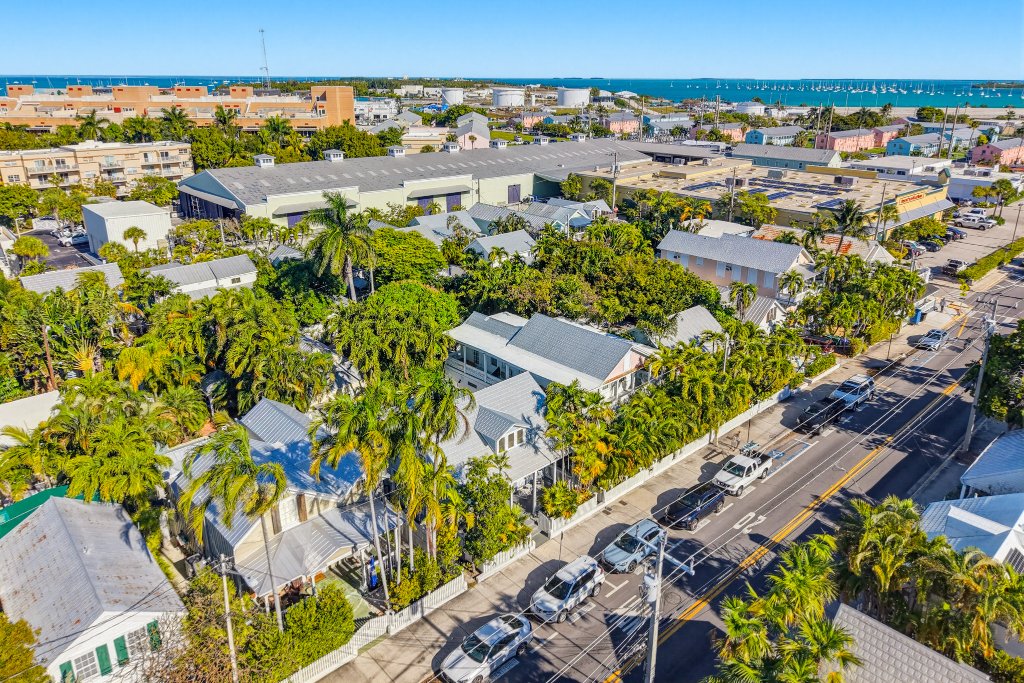
Selling a Historic Old Town Key West Cottage the Right Way
A historic Old Town Key West cottage is not a commodity. It doesn't compete on price per square foot the way a mainland subdivision home does. It competes on story, on craftsmanship, on the particular weight of a structure that has stood through a century of hurricanes and tides and generations of island life.
Selling one correctly requires a different mindset and a different strategy than selling almost any other type of residential property.
Here's what I've learned from doing it, and watching others do it wrong.
Know What You Actually Own
Before you price, before you stage, before you call a photographer, take a serious inventory of what makes your property singular.
Historic designations matter. Is your home in the Key West Historic District? Is it individually listed on the National Register of Historic Places or the Local Register? These designations affect what future owners can and cannot do with the property, and they attract a specific, educated buyer who values permanence over flexibility.
Original architectural features are the asset. Heart pine floors. Transoms. Tongue-and-groove ceilings. Original Dade County pine framing. Double-hung windows with wavy glass. Widow's walks. These are not charming details. They are the reason sophisticated buyers pay a premium. Document them. Photograph them. Know their story.
The lot configuration matters. Many Old Town properties have guest cottages, pool houses, or detached structures that add legal rental income potential. Know what's permitted, what's grandfathered, and what income history exists.
Understand the Buyer You're Selling To
The buyer for a historic Old Town cottage is almost never a first-time homebuyer. They are typically one of three profiles:
The lifestyle buyer is someone relocating to Key West full-time or part-time, seeking authenticity over modernity. They want original details, a walkable neighborhood, and the feeling that the house has a history worth inheriting. They will pay for provenance.
The investment buyer is focused on vacation rental income potential, appreciation trajectory, and the scarcity of genuinely historic inventory. They want to know about transient rental licenses, occupancy data, and cap rates.
The second-home buyer is often from a major metro, accustomed to luxury finishes and design quality, and seeking a turnkey retreat. They may want original character but also expect modern systems, updated kitchen and baths, and a functioning pool.
Your positioning, your staging, and your marketing copy should speak to one primary buyer profile, or thoughtfully speak to all three without confusing the message.
Price It Like the Provenance Piece It Is
The most common mistake sellers make with historic Old Town cottages is over-relying on the cost-per-square-foot metric. These homes frequently defy it.
A 1,400 sq ft Conch cottage with original heart pine floors, a pool, a legal guest cottage, and an active vacation rental license in a prime Old Town block is not comparable to a 1,400 sq ft updated ranch in Mid Town West. The comp analysis requires nuance: factoring in lot value, rental income potential, historic designation, architectural integrity, and location within Old Town itself. A home on a quiet lane off Olivia Street is a different asset than one on a noisy block of Duval.
Overpricing to "leave room to negotiate" is a particular trap in this market. Sophisticated buyers and their agents know the inventory intimately. An overpriced listing signals either an unrealistic seller or an under-informed one. Neither is a good way to start a negotiation.
Price it correctly from day one. The first two weeks of a listing's life generate the most activity. That window is too valuable to waste.
Prepare the Property Strategically
Not every pre-sale improvement generates a return. In a historic cottage, some upgrades actively hurt value by destroying the character buyers are paying for.
What typically pays off:
- Freshening up exterior paint in a period-appropriate palette
- Landscaping and curb appeal; tropical lushness reads as lifestyle
- Deep cleaning and decluttering, particularly in small rooms where clutter compresses the perceived space
- Addressing deferred maintenance that will appear in inspections: roof condition, HVAC age, electrical panel, plumbing
- Professional staging that complements the architectural era rather than fighting it
What often doesn't:
- Gut-renovating a kitchen or bath with modern finishes that clash with the home's period
- Replacing original windows with vinyl, which is a significant negative for educated buyers and a potential violation of historic designation rules
- Over-improving beyond the neighborhood's price ceiling
When in doubt: preserve, clean, repair. Don't transform.
The Photography and Marketing Must Match the Property
A historic Old Town cottage deserves editorial-quality photography. Not the wide-angle, HDR-blasted imagery that makes every listing look the same. The architecture has texture, warmth, and light quality that a skilled architectural photographer will capture, and that will stop a browsing buyer mid-scroll.
Marketing copy matters enormously. The listing description is not a features checklist. It's the opening paragraph of the story the buyer is about to step into. Write it that way.
Distribution should extend beyond the MLS. International buyer platforms (particularly European and South American markets, which have strong Key West affinity), targeted social media, and agent-to-agent outreach to luxury brokerage networks all expand the buyer pool beyond what a standard MLS listing reaches.
Get Your Paperwork in Order Early
Historic Old Town transactions have a tendency to surface documentation issues that slow closings or kill deals. Get ahead of them.
- Survey: confirm lot lines, encroachments, and any easements
- Permit history: pull the permit history from the City of Key West. Unpermitted additions are common in older homes and create lender and buyer concerns
- Rental license documentation: if you have an active transient rental license, ensure it's transferable and that the documentation is clean
- HOA or historic overlay rules: confirm any restrictions that affect what the buyer can do with the property
- Title search: in homes that have changed hands many times over 100+ years, title issues occasionally surface. A proactive title search gives you time to resolve them before they become leverage in a negotiation
Timing in the Key West Market
Key West has a pronounced seasonal rhythm. The peak buyer season runs from mid-October through April, when snowbirds and vacation-minded buyers from northern markets are most active. Listing in late September or early October, before inventory builds and while buyer demand is cresting, tends to generate the strongest results.
Summer listings can still sell well, particularly for investment buyers who are less seasonally motivated. But if you have flexibility on timing, align your launch with the market's natural energy.
Work With an Agent Who Understands What You Have
A historic Old Town cottage is a specialty asset. Your agent should understand historic designation implications, be able to speak fluently about vacation rental licensing, know how to position a property to both lifestyle and investment buyers simultaneously, and have a genuine network of buyers and agents who operate at this end of the market.
Ask prospective agents how many historic Old Town transactions they've closed in the past two years. Ask to see their marketing. Ask how they'd position your specific property differently from the competition.
The answer to those questions will tell you everything.
Damian Vantriglia is a Key West native and REALTOR® with deep expertise in Old Town residential sales, historic properties, and investment-grade cottages throughout the Florida Keys. If you're considering selling, reach out for a private, no-obligation conversation about your home's positioning and value.
Written by
Damian Vantriglia
Realtor® · Key West