The Resonance of Small Stages: Reflecting on the Key West Songwriters Festival
The Architecture of a Song
There is a particular quiet that descends upon the island during the first few days of May, just before the humidity settles in for the summer. It is a transitional time. The seasonal crowds begin to thin, the pace shifts from the frantic energy of winter to something slower, and then, the guitars arrive. The Key West Songwriters Festival has become a fixture of our local calendar, yet it manages to avoid the hollow feel of most large-scale music events. It succeeds here because Key West is a town built on stories, and we have a deep-seated respect for the people who spend their lives refining them.
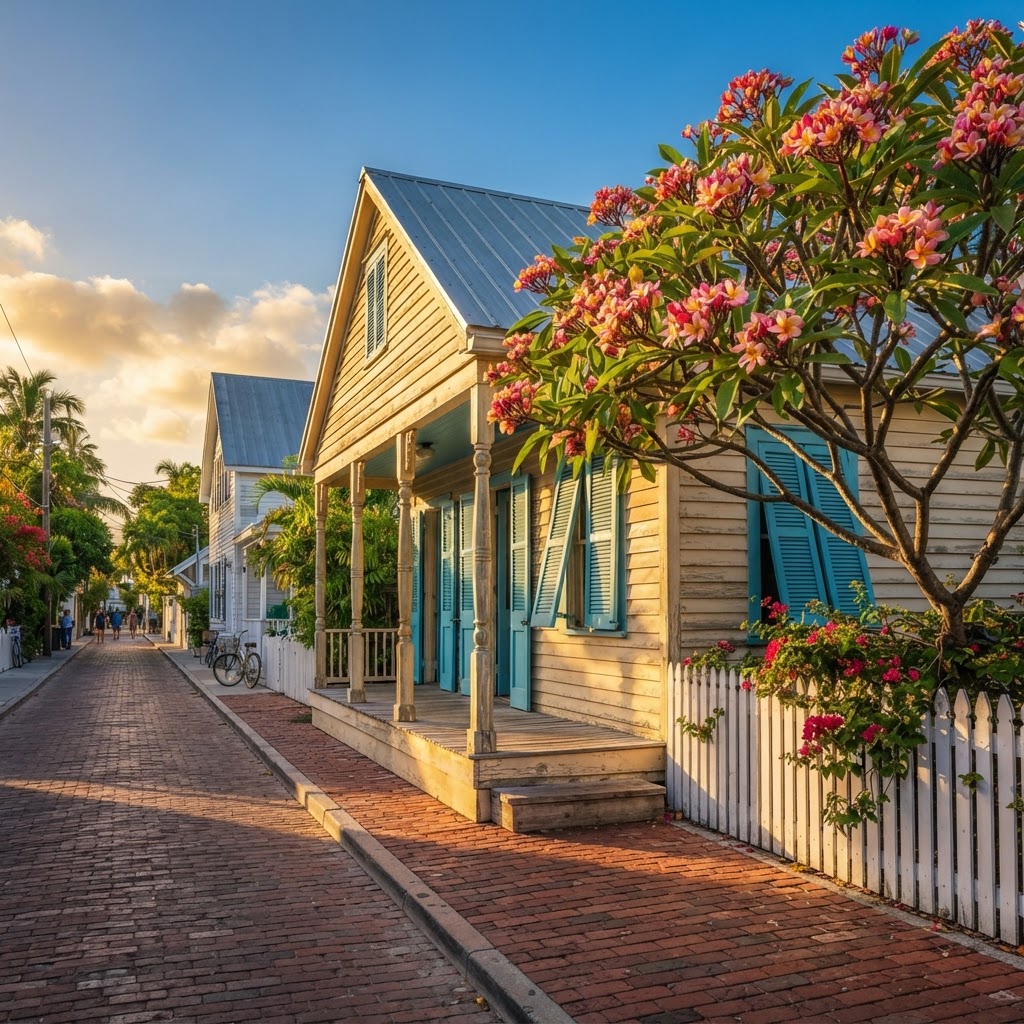
I often walk past the smaller venues on Duval or stroll through the lanes near the seaport, and I am struck by how the music changes the character of the space. A songwriter sitting on a stool at a corner bar in a historic building—perhaps one framed with original Dade County pine that has seen a century of storms—is doing exactly what this island was designed for. These houses, with their deep porches and high, vented ceilings, were built to facilitate conversation. When you place a storyteller in that context, the walls seem to hold the sound differently. It is an honest exchange.
The Professionalism of Craft
One of the reasons I appreciate this festival is the lack of pretense. These songwriters are, by and large, professionals in the purest sense. They are the people who have written the hooks that define modern country, folk, and rock, yet they are here in our living rooms and local taverns, stripping the production away to show the skeleton of the work. As someone who spends my time looking at the structural integrity of homes—checking the cypress siding, the weight-bearing beams, the foundation of a property—I have a natural affinity for that kind of transparency. There is no polish on a raw acoustic set. You see the mechanics of the craft, and you realize that a well-written song is much like a well-built house: it requires a solid foundation and a disregard for unnecessary ornament.
I remember an evening a few years back at a small venue tucked away from the main thoroughfare. The performer talked for ten minutes about a single line of a song, explaining the specific porch in a small town where they had sat and watched a thunderstorm roll in. It felt less like a concert and more like a shared memory. That is the magic of the festival. It honors the origin point of the art.
A Community of Listeners
We are a town of observers. We watch the light shift over the banyan trees in the afternoon, we notice which neighbor is painting their Bahamian shutters a new shade of blue, and we pay attention to the cadence of the life around us. When we pack into these rooms for the festival, we are not there to be entertained in the passive sense. We are there to listen. There is a mutual recognition between the stage and the audience that mirrors the best parts of island living.
When I show properties to prospective buyers, I often find myself steering them toward the neighborhoods where the community feels most tangible. It is not about the square footage or the modern amenities. It is about the ability to walk to the end of your block, hear a guitar drifting from an open window, and feel like you are part of a living, breathing history. The songwriters who return here year after year understand that. They come for the same reason many of us stay: they want to be in a place that allows them to hear themselves think.
The Lingering Echo
As the festival winds down and the stages are packed away, the island returns to its usual rhythm. But the energy of the event leaves a residue. You might walk past a courtyard on a Tuesday evening and catch the tail end of a melody that reminds you of a set you saw days prior, or you might find yourself sitting on your own front porch, appreciating the way the evening air carries the sound of the ocean and the street life together.
We are fortunate to host a festival that doesn't try to change the town, but rather highlights its existing textures. It asks nothing more of us than to be present, to listen, and to appreciate the story behind the song. It is a quiet reminder that even in a world that is increasingly loud and hurried, there is still value in keeping things small, personal, and profoundly local.
Written by
Damian Vantriglia
Realtor® · Key West