The Quiet Rhythm of New Town: Life Beyond the Old Town Streets
The Mid-Island Pace
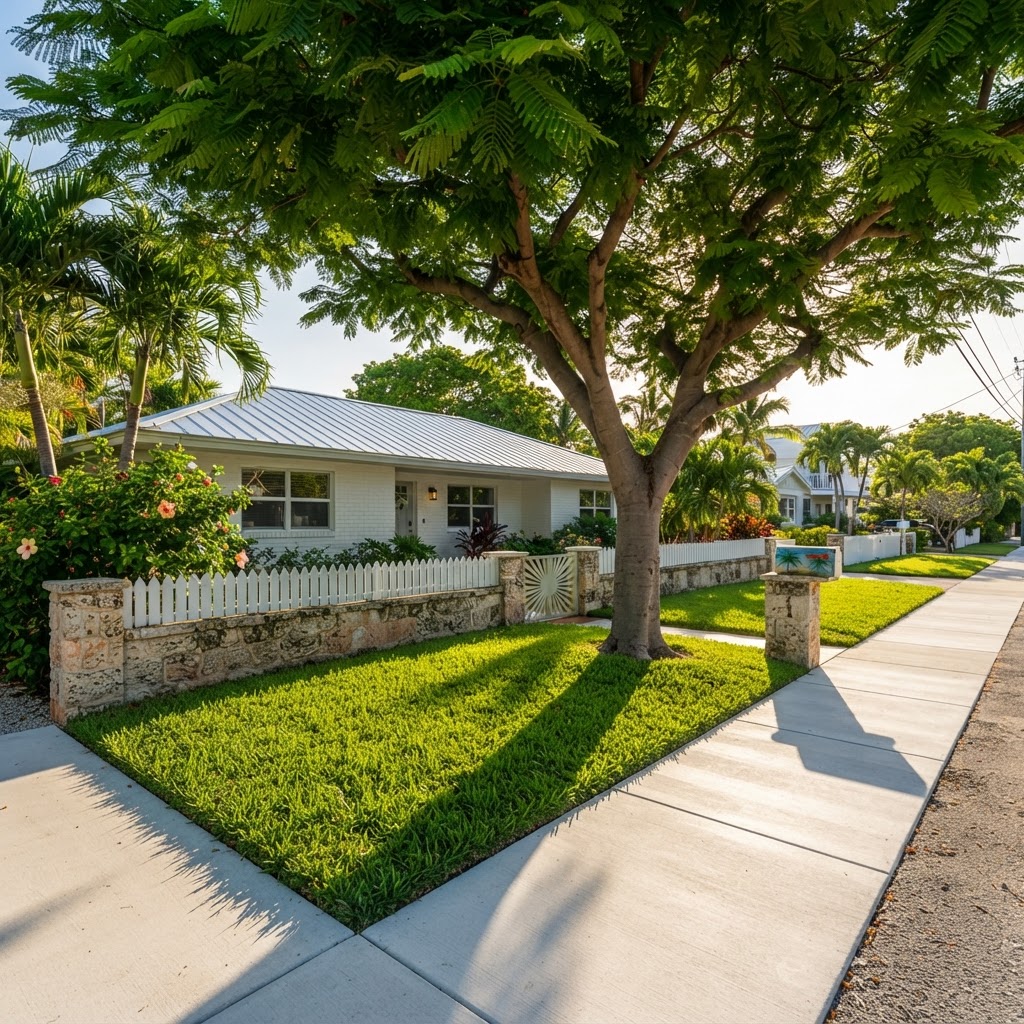
There is a specific moment in the late afternoon when the light shifts across the residential streets of New Town. It is less about the dramatic, tourist-heavy spectacle of Mallory Square and more about the quiet glow reflecting off a well-maintained tin roof or the shadow cast by a mature royal poinciana. Growing up here, you learn early that Key West is composed of disparate chapters. Old Town has the storied, weathered charm of the 19th century, but New Town provides the necessary room to breathe. It is where you find the grocery stores, the schools, and the neighbors who are running errands rather than vacationing. There is a predictable, reliable grace to this rhythm that appeals to those of us who have decided that Key West is not a temporary stop, but a permanent point of orientation.
Architecture and the Evolution of the Lot
When we talk about the built environment in New Town, we are looking at a mid-century departure from the traditional conch house. You will see fewer eyebrow houses and picket fences here, replaced by ground-level ranch styles, mid-century bungalows, and the occasional modern rebuild that maximizes the lot size. Many of these properties offer the square footage that is notoriously difficult to find in the dense blocks of the historic center. While I frequently work with buyers who prefer the turnkey nature of a modern renovation, there is a tangible value in these older structures—the solid masonry, the established cypress trees, and the ability to reclaim outdoor space for a garden or a pool. Because the cash-heavy nature of our local market remains the standard, buyers who position themselves with liquid assets find they have the leverage to renovate these properties exactly as they wish, often moving away from traditional financing to avoid the friction of conventional appraisal hurdles.
Strategic Decisions in Ownership
Navigating real estate here requires a clear-eyed understanding of the landscape. For many experienced investors and long-term residents, the conversation surrounding risk management has evolved. We see a significant number of individuals opting for self-insurance, treating the maintenance of their property as a proactive, ongoing investment rather than a passive reaction to market premiums. It is a deliberate choice. It requires a high degree of confidence in the structural integrity of your home—ensuring your shutters are properly hung, your roof is impact-rated, and your foliage is pruned to withstand a storm. This is not about fear; it is about autonomy. By taking control of the maintenance schedule and the financial risks, you become a more engaged steward of the property, which is ultimately the best way to protect your interest in the island.
The Realignment of Expectations
People often ask me why I steer them toward New Town if they are looking for the 'classic' Key West experience. My answer is usually that the classic experience is not limited to a specific ZIP code or a historical designation. It is found in the way you interact with your community—the way you walk your dog under the canopy of a local street, the way you know your neighbors' names, and the way you navigate the island's unique geographical constraints. New Town allows for a fuller, more integrated life. It is closer to the marinas, the tennis courts, and the arterial roads that connect us to the rest of the Keys. Whether you are looking for a long-term family residence or a secondary home that offers more utility than a small condo, the value here is found in the practical, daily ease of life. It is a place that rewards those who want to live on the island, not just look at it.
Written by
Damian Vantriglia
Realtor® · Key West