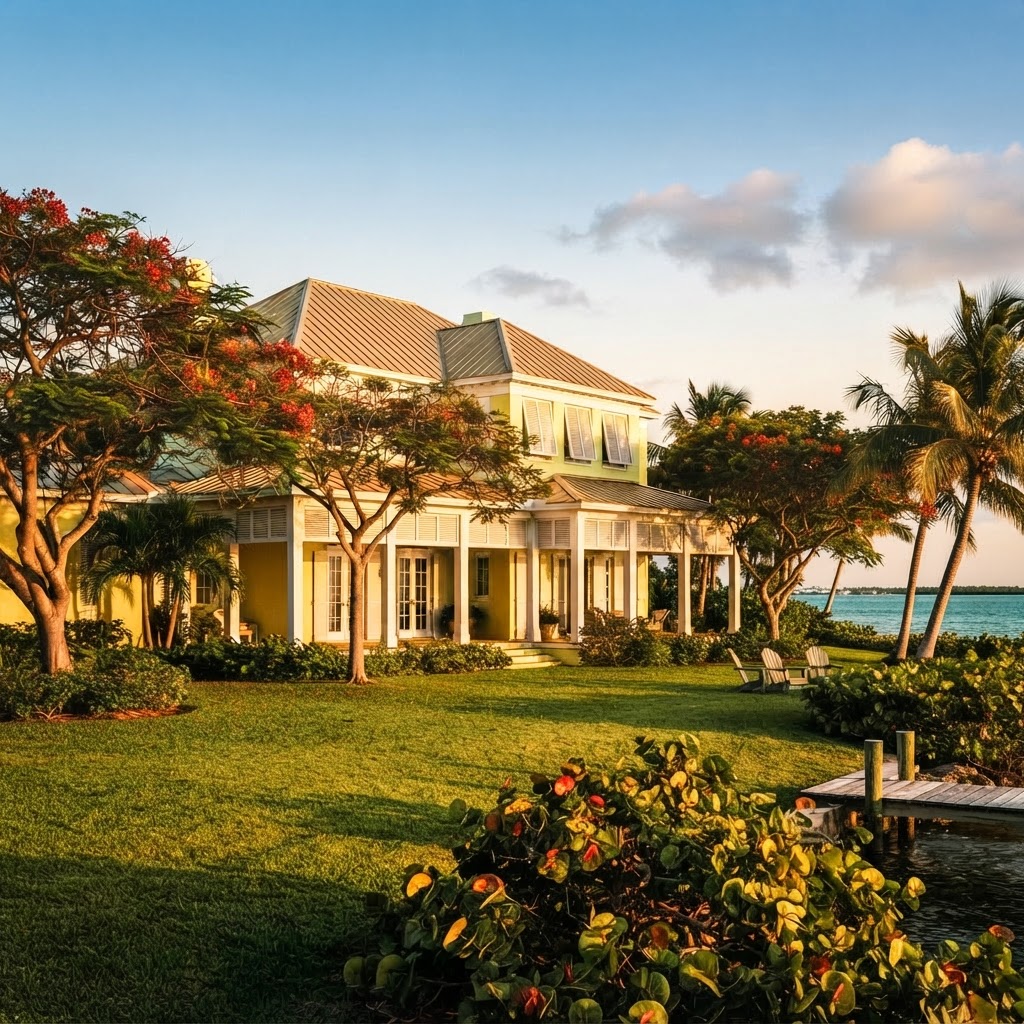
Movement in the High-End Pipeline: Pinecrest and the Island Echo
The Pulse of the Mainland
I was walking past a small cottage on Petronia Street this morning, noticing the way the morning light caught the peeling layers of white paint on the Bahamian shutters. It is a quiet, rhythmic start to the day that most of us here cherish. However, even in our island bubble, we are part of a larger ecosystem. The Miami Herald reported this week that Tyler Herro has listed his 9,019-square-foot Bali-inspired estate in Pinecrest for $12 million. Following his trade to the Milwaukee Bucks, the move is a textbook example of the fluidity inherent in the professional athlete and high-net-worth demographic. Having purchased the property for $10.5 million just last year, the listing reflects the persistent, quiet strength of the South Miami-Dade luxury market. It is a reminder that even as players move and rosters change, the demand for architecturally significant, move-in-ready compounds remains a constant anchor.
The Pipeline to the Keys
There is a direct correlation between these mainland luxury shifts and the interest we see at the end of the chain in Key West. The same buyer profile eyeing a compound in Pinecrest—someone who values expansive square footage, interior-exterior flow, and absolute privacy—is often the same individual looking toward the Keys for a secondary waterfront estate. We have seen a steady migration of capital from these urban centers down to the island. When a property like Herro’s hits the market, it validates the appetite for premium, turnkey living. In Key West, this translates into a demand for historic structures that have been meticulously restored. Buyers today are not looking for projects; they are looking for legacies. Whether it is an eyebrow house on the quiet end of Whitehead or a gated compound near the water, the value lies in that rare combination of island history and contemporary comfort.
Sovereignty and Asset Management
In these high-end transactions, the mechanics of the purchase often tell as much of a story as the real estate itself. In my experience, cash remains the primary instrument for closing these deals. When you have the liquidity to move through the South Florida luxury pipeline, you are often looking to simplify the complexities of ownership. This extends to the way buyers handle risk. I increasingly speak with clients who view self-insurance not as a necessity born of frustration, but as a deliberate, strategic choice in their portfolio management. By opting to internalize risk rather than navigate traditional, cumbersome policy structures, these owners take full control of their property’s narrative. It is a mature, pragmatic approach that aligns perfectly with the quiet confidence required to hold a significant asset in a place as dynamic as Key West.
The Value of Place
Watching the market shift from Miami to the tip of our island provides a unique vantage point. It teaches you that while macro-trends exist, the micro-environment—the specific garden where the royal poinciana blooms, the quality of the cypress wood in a porch floor, the way the wind hits a roofline—is what truly defines value. The luxury market is not just about the transaction price; it is about the transition of stewardship. As individuals like Herro move on to new chapters in different climates, they leave behind the architecture of their time. For us in Key West, our responsibility remains the same as it has always been: to ensure that the character of these homes is preserved, respected, and eventually passed along to those who appreciate them as much as we do. The market may fluctuate, but the soul of this place remains unchanged.
Written by
Damian Vantriglia
Realtor® · Key West