Island Scarcity and the New Baseline of Our Market
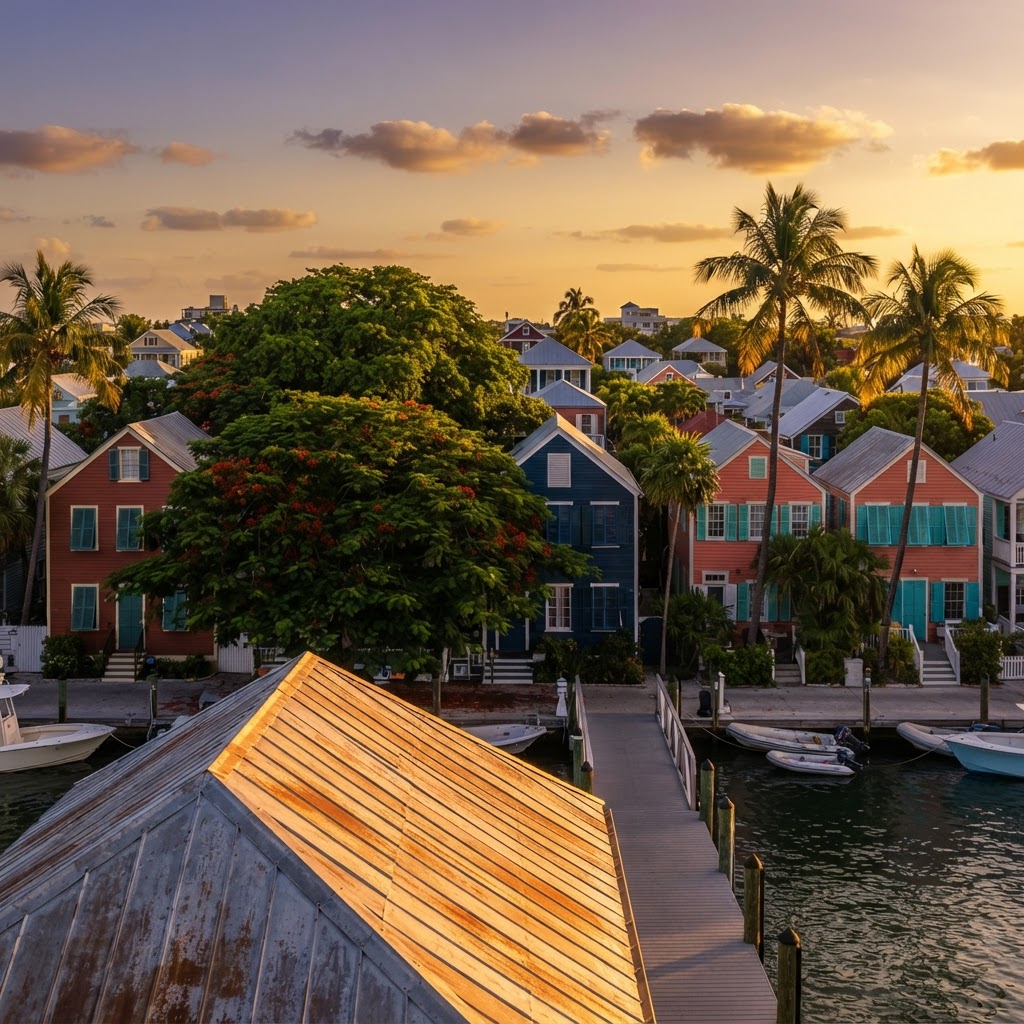
There is a particular quiet that settles over Old Town just as the humidity breaks, right around that time in the late afternoon when the shadows of the banyan trees stretch across the brick paths on Petronia Street. I walked that route yesterday, watching the way the evening light catches the weathered cypress siding of a neighbor's house, and I was struck again by how much this place demands of us, and how much it rewards that investment in return. It is a sentiment that has remained constant for generations, yet the metrics governing our real estate landscape are undeniably evolving. Recent data from Realtor.com confirms what many of us have sensed while chatting at the docks or walking the morning circuit: Key West is no longer simply a destination for a seasonal retreat. It has solidified its position as a primary global holding for those who value the singular nature of island life.
A Shift in the National Landscape
According to the latest figures from July 2026, the entry point for homes at the top tier of our market has moved significantly, now sitting 64% higher than the benchmarks seen in San Diego. It is a remarkable reversal from where we stood even a decade ago, when coastal California markets were the undisputed ceiling for property values. Today, more than half of our active inventory—55.9% to be precise—falls into the million-dollar-plus category. To put that in perspective, the national average for that same tier is just 13.2%. We are operating in an environment where scarcity is the fundamental rule, not the exception.
Defining the Island Standard
I often tell my buyers that they are not just purchasing square footage or a specific proximity to Duval Street; they are purchasing a piece of a finite geography. When you look at an original eyebrow house, with its framing of sturdy, termite-resistant Dade County pine that has stood for over a century, you are looking at a resource that literally cannot be replaced. We aren't building more land, and we certainly aren't churning out more of these historic structures. This scarcity is what drives the current market dynamic. For those who view property as a long-term asset, the math has become remarkably clear. The island is small, the history is deep, and the desire to be part of this community remains unceasing. When you combine this with the reality of cash-dominated transactions, you see a market that operates with a different rhythm and a higher degree of stability than most mainland metropolitan centers.
The Strategic Viewpoint
For those currently holding property, these numbers validate the importance of the work put into restoration and preservation. It is why the local craftspeople—the masons who understand coral rock, the carpenters who respect the grain of old-growth timber, and the architects who know how to marry modern utility with our Bahamian-influenced vernacular—are the true custodians of our market value. Maintaining these homes is a commitment to the island’s future. If you are a seller, it is worth remembering that your home’s value is inextricably tied to its authenticity. Buyers at this level are looking for a connection to the island’s soul as much as they are looking for a sound financial instrument. They want the tin roof that hums in the rain, the wrap-around veranda that catches the trade winds, and the history that comes from a house that has survived a dozen storms and seen a hundred sunsets. The market is merely reflecting what we have always known: that a house in Key West is a rare and lasting thing.
Written by
Damian Vantriglia
Realtor® · Key West