The Architecture of Ownership: Strategic Rental Perspectives in Key West
The Rhythm of the Street
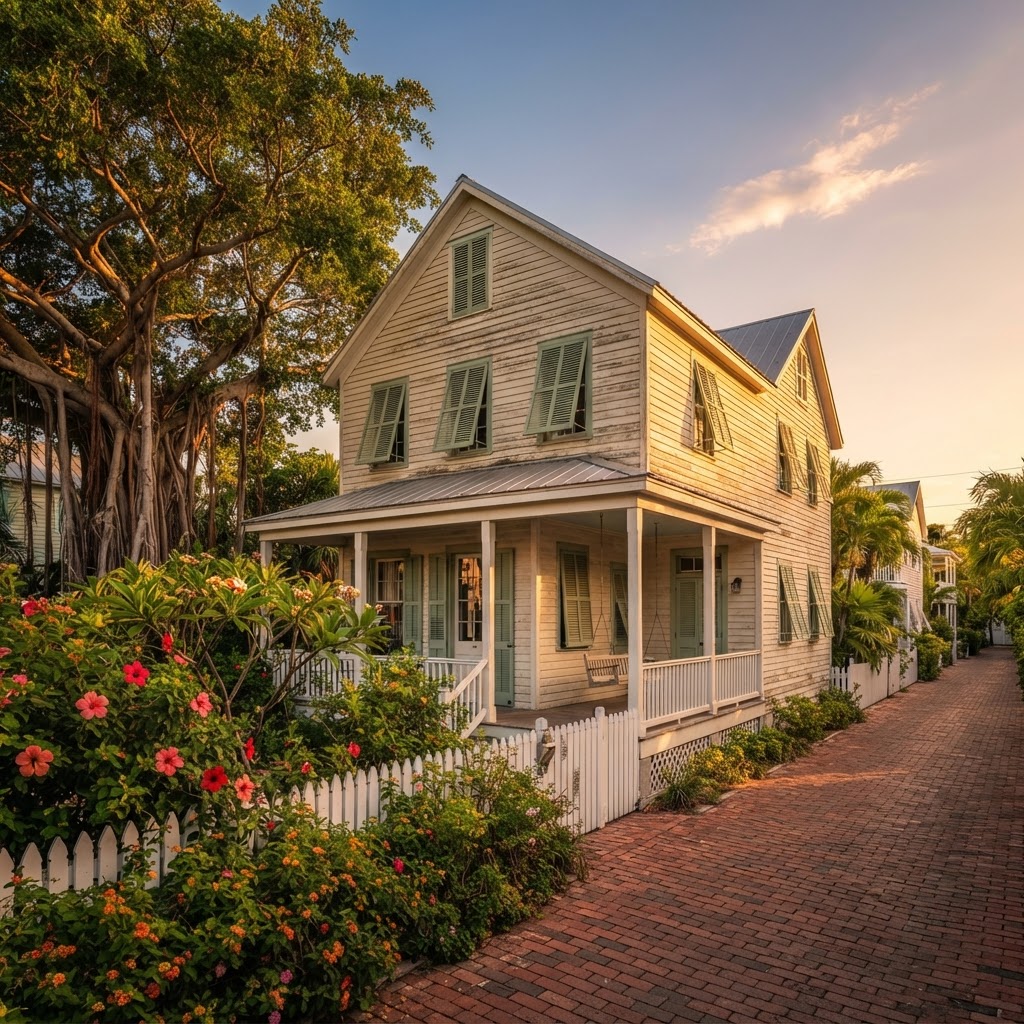
I often walk down Petronia Street in the late afternoon, just as the light begins to stretch across the weathered lap siding of the homes. There is a specific cadence to these neighborhoods—the sound of a neighbor watering their frangipani, the distant hum of a bicycle chain, the way the shadows of the royal poinciana leaves dance against a foundation of Dade County pine. People often ask me about the math behind owning a house here, but I always tell them to start by listening to the street. A property is not just an asset in Key West; it is a participant in a centuries-old conversation between the builder and the climate.
Understanding the Rental Landscape
When we talk about the investment side of the equation, clarity is our best tool. Key West has a highly specific regulatory environment regarding transient rentals. It is not a place for the impulsive buyer. For those looking to offset costs through rental income, the distinction between long-term residency and the city’s transient rental licensing is the primary hurdle to clear. If you are looking at a property, you are looking at one of three things: a private family retreat, a long-term rental, or a permitted vacation property. There is no middle ground. I find that the most successful owners are those who respect these local regulations as essential to maintaining the island’s character rather than viewing them as obstacles to revenue.
The Logic of Capital and Risk
In our market, cash is the standard language. Because of the unique nature of our historic stock—those intricate eyebrow houses and traditional conch structures framed in durable cypress, cedar, or yellow pine—financing can be more complex than in other parts of the country. Many of the people I work with choose to self-insure as part of a broader, deliberate strategy. It is not a decision made out of fear, but one of calculated risk management based on the individual’s long-term horizon. When you move away from the noise of standardized insurance products, you gain a different kind of autonomy over your property. You are responsible for the roof and the shutters, yes, but you are also the steward of the history contained within those walls.
Stewardship Over Speculation
There is a misconception that being a landlord in Key West is a passive endeavor. It is quite the opposite. The salt air and the sun are relentless, and they require a dedicated team of craftspeople. I always tell my clients that their most important relationship isn't necessarily with the bank or the seller; it is with the contractor who knows how to properly treat a piece of Dade County pine or the carpenter who understands the historical integrity of a Bahamian shutter. These houses are living entities. When you invest here, you are entering a pact to maintain that heritage. If you treat the home with care, the home—and the market—tends to respond in kind over the long arc of time.
A Place for the Long View
I have seen homes change hands three or four times over the decades, and the ones that remain the most vibrant are those owned by people who understood they were merely holding the keys for a chapter of the house's life. Whether you are seeking a quiet place to retreat from the world or a purposeful investment that supports the island’s economy, the goal should be stability. We are a small island with finite space, and that reality dictates our value more than any spreadsheet ever could. Find the porch that suits your temperament, respect the history of the materials, and enjoy the way the sun sets on your own corner of the island. The rest will follow naturally.
Written by
Damian Vantriglia
Realtor® · Key West