A Quiet Shift in the Northern Keys
The View from the Water
There is a specific cadence to the Keys that outsiders often miss. It is not just the speed of the traffic on U.S. 1, which has its own rhythmic, sometimes frustrating crawl, but the way land here holds its value against the tide. I grew up watching the ebb and flow of property ownership in these islands. The names on the deeds change, the paint jobs fade and get refreshed, and the architectural styles evolve from the salt-worn Dade County pine cottages of my childhood to the more polished, contemporary forms we see rising along the waterfront today.
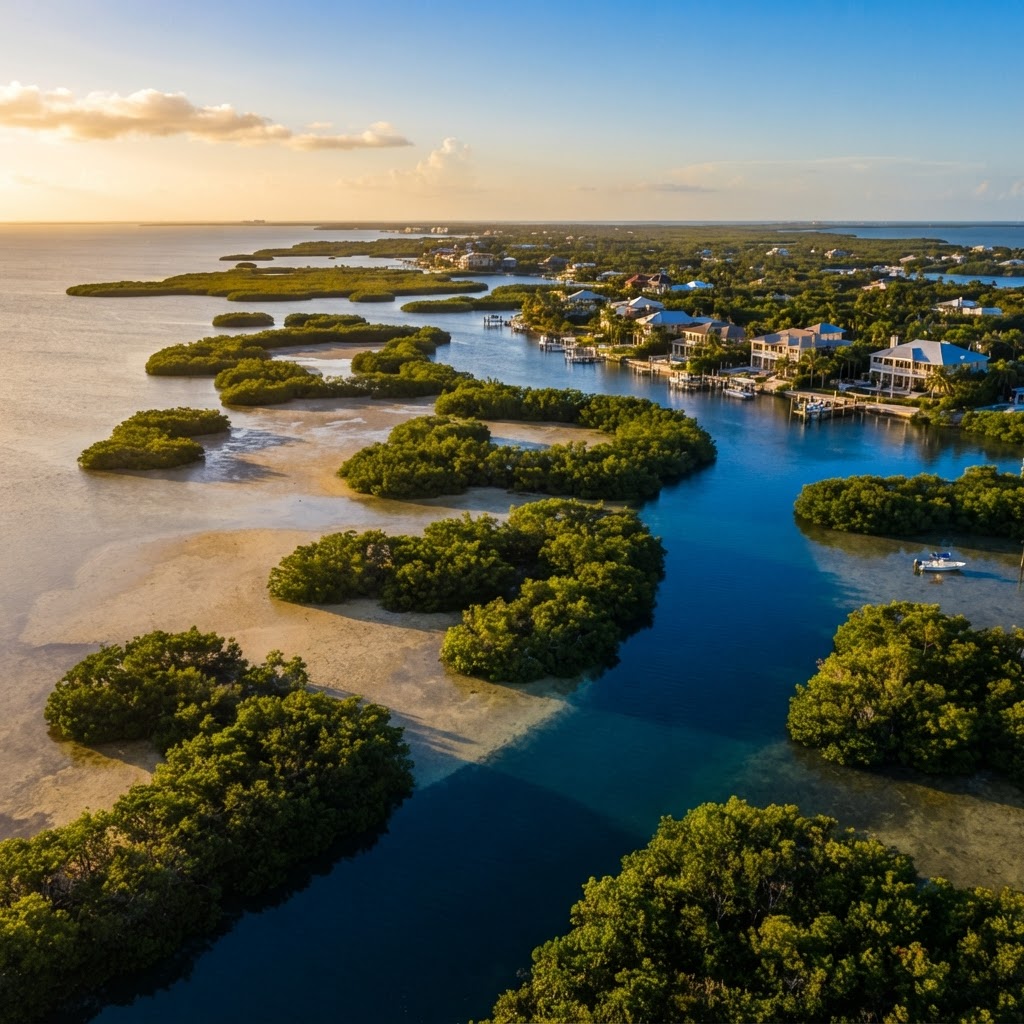
Recently, the local landscape saw a significant movement. As reported by The Real Deal South Florida, a joint venture between Mast Capital and Koch Real Estate Investments has finalized a $38 million acquisition of The Islands of Islamorada. For those of us who have spent our lives watching the market in the Upper Keys, this is not merely a transaction; it is a notable signal of institutional confidence. These are firms that do not make moves on a whim, and their focus on this specific waterfront asset suggests that the scarcity of our coastal geography is finally being priced with the gravity it deserves.
The Validation of Scarcity
When a property changes hands for this kind of figure, the headlines often focus on the price tag, but the real story is about the floor of the market. We have lived through decades where the Florida Keys were viewed as a transient destination, a place for a vacation rental or a second home that served as an occasional escape. That perception has been shifting for a long time, but this acquisition moves that needle further.
By planning to convert these 22 waterfront villas into residential offerings with entry points around $3.8 million, the developers are making a calculated bet on the long-term desirability of the archipelago. They aren't just betting on the resort industry; they are betting on the idea that the limited supply of deep-water access and privacy in the Keys is a permanent, appreciating asset. It validates what those of us who call these islands home have known for generations: you cannot manufacture more of this coastline. The ground here is finite, and that reality creates a fundamental strength in the market that persists even when the broader economy experiences friction.
Building for the Long Horizon
There is a certain responsibility that comes with developing in the Keys. Whether you are working with a historic eyebrow house on a quiet lane in Key West or developing a waterfront estate in the Upper Keys, the environment dictates the terms. You have to account for the salt air, the intensity of the sun, and the wind. It is why Dade County pine was so prized for its density and durability, and why we still look for cypress or cedar today when we want something that can weather a decade of tropical storms with dignity.
Institutional capital brings a different approach to the table, and it will be interesting to see how these groups integrate into the local vernacular. It is one thing to acquire a property; it is another to become a neighbor. The success of a project like this relies on more than just the floor plans or the finishes; it depends on how well it respects the natural character of the island and the existing community of residents who provide the local flavor.
Perspective on the Shoreline
For those of us tracking the market from the ground level, this news serves as a reminder that the floor is rising. We see it in the demand for well-maintained historic homes and the renewed interest in waterfront parcels that were once considered secondary. It is a reminder that the Keys are not just a getaway; they are a sophisticated, finite market that commands respect.
I often tell those who are considering a move here to look past the market cycles. The value in a piece of land in the Keys isn't just in the projected appreciation; it is in the way the light hits the water at sunset, the way the banyans grow into the architecture, and the sense of belonging that comes from being part of this narrow strip of islands. When large firms place their capital here, they are confirming that our reality is now their long-term strategy. It is a quiet confirmation of what we have always known: there is nowhere else quite like this, and people are beginning to realize that the price of admission is only going to move in one direction.
Written by
Damian Vantriglia
Realtor® · Key West